Study Nursing and Earn in Germany 2027 with Ludwig Fresenius Ausbildung. See real salary, B2 German requirement, documents, and how to apply without agents.
*Study Nursing and Earn in Germany 2027: Ludwig Fresenius Ausbildung*
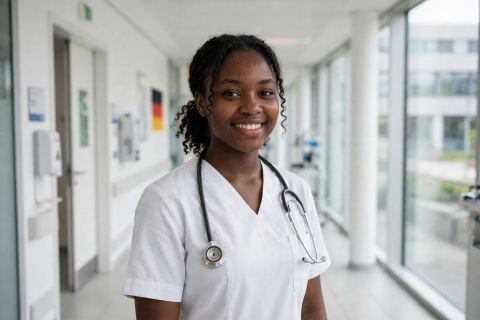
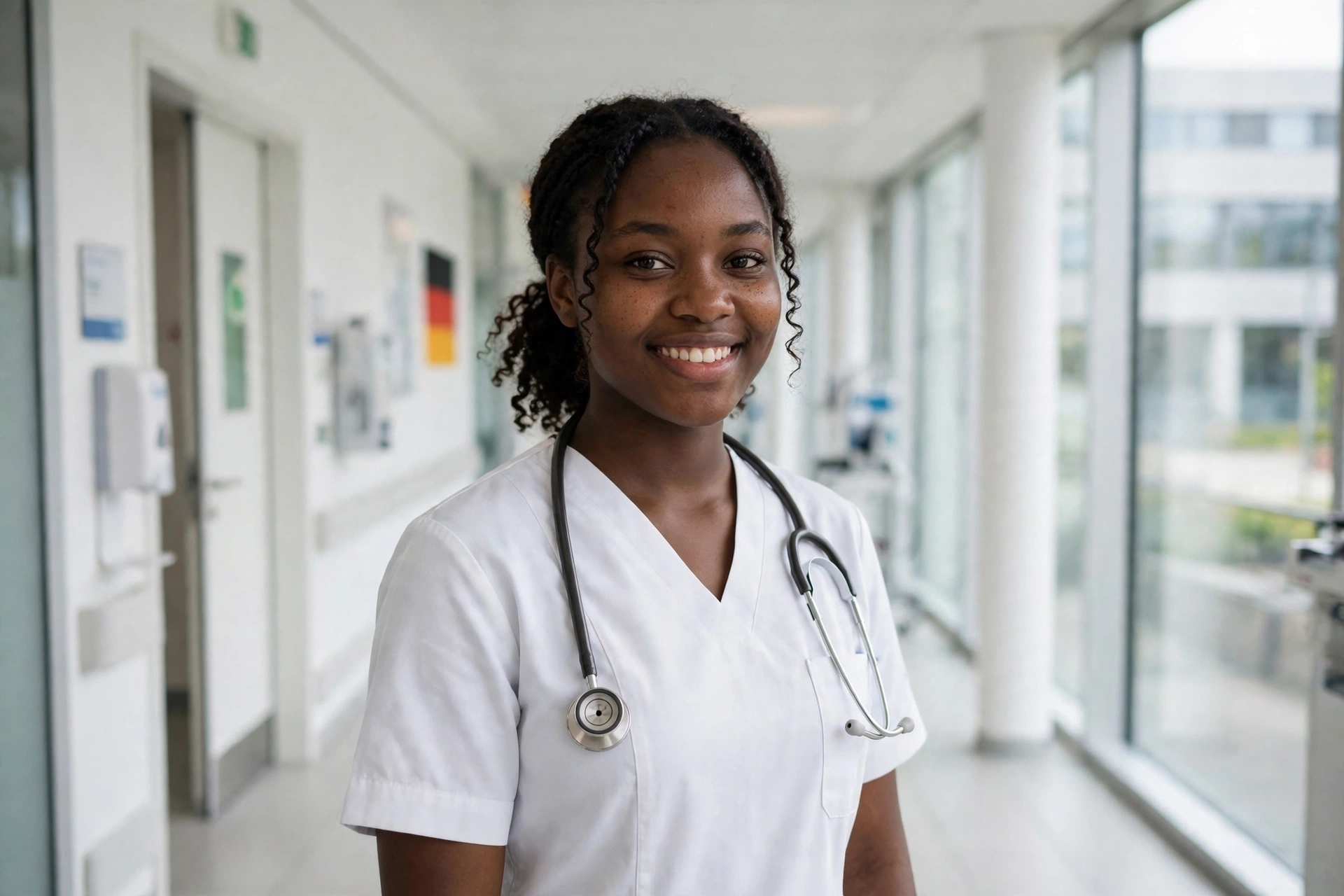
Germany is one of the best countries in the world for Nigerians who want to study nursing and earn a salary at the same time. The Ludwig Fresenius Ausbildung offers a real, legal route to train as a nurse, earn monthly pay, and build a long-term career in Europe.
But this opportunity is not free money, and it is not a scholarship where you only attend classes. It is work and study combined. If you understand the requirements clearly, you can avoid scams and prepare correctly.

*What Is The Ludwig Fresenius Ausbildung?*
The programme is a 3-year Generalist Nursing Ausbildung, known in German as Pflegefachfrau / Pflegefachmann.
It uses the German dual system:
- *30% theory* at a vocational school
- *70% practical work* at a hospital or care home
Ludwig Fresenius Schulen is the school. A separate training employer, usually a hospital or care facility, signs your contract and pays you. The school does not pay your salary. Your employer does.
This is important to understand: This is vocational training. It is NOT a Bachelor's degree, NOT a Master's degree, and NOT a postgraduate programme. After you complete it, you will be a qualified professional nurse in Germany.
*How Much Will You Earn During Training?*
Your pay depends on your employer and the collective agreement they follow. Do not treat €1,300 as a fixed salary. It varies.
For public sector employers under TVAöD-Pflege, from May 1, 2026:
- *Year 1:* €1,490.69 gross per month
- *Year 2:* €1,552.07 gross per month
- *Year 3:* €1,653.38 gross per month
- Plus a €400 one-off bonus when you pass your final exam
For private or church employers, pay is often lower, approximately €1,100 to €1,400 in Year 1.
Remember, this is gross pay. You will pay tax and social insurance from it, as every worker in Germany does. You will also pay for rent, food, and health insurance.
*How Much Will You Earn After Qualification?*
After you qualify, your salary increases significantly.
- *Public sector TVöD-P P7:* €3,510 gross starting salary, up to €4,305 with experience
- *Private employers:* €2,500 to €3,800 gross, depending on state, employer, and shifts
- Shift, night, and Sunday work attract extra pay
Germany has a serious shortage of nurses. Qualified nurses are in high demand across all states, which means your chances of getting a job after training are very high if you complete the programme successfully.
*Requirements - The Part Most Posts Hide*
Many social media posts say "No IELTS" and people think it means no language test. That is misleading.
You do NOT need IELTS because the programme is in German, not English. But you MUST have:
1. *German B2 Certificate - MANDATORY:* Accepted certificates include Goethe, telc, ÖSD, and TestDaF. You cannot train in German hospitals, speak to German patients, or write patient reports without B2 German.
2. *10-12 Years School Education:* Your school certificate must be translated to German and recognised.
3. *Medical Fitness Certificate:* You must be fit for nursing work.
4. *Police Clearance:* No criminal record.
5. *Signed Ausbildung Contract:* With a hospital or care facility.
6. *Visa For Vocational Training:* For Germany.
7. *Physical and Emotional Fitness:* You must be ready for shift work, including nights and weekends.
If you do not have B2 German yet, start learning now. Learning German to B2 level takes 6 to 12 months of serious study for most people. Do not wait until 2027 to start.
*Documents You Will Need*
Prepare these documents early:
- CV (Lebenslauf) in German
- Motivation letter in German
- School certificates, translated to German
- German B2 certificate
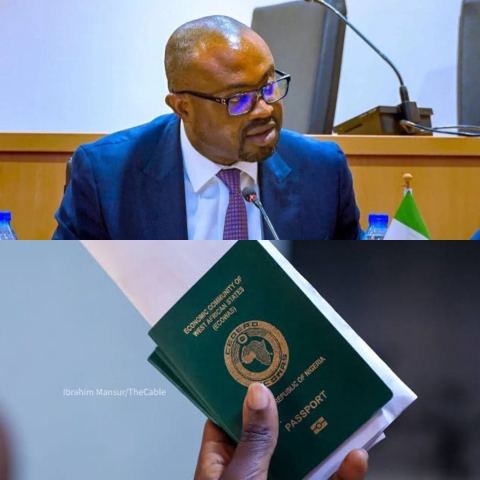
- International passport
- Medical certificate and police clearance
Your CV and motivation letter must be in German. A CV in English will reduce your chances.
*Deadline*
There is no single deadline. Applications are rolling and open by employer and location. Each hospital and school location has its own intake dates. Do not wait. The biggest delay for most Nigerians is not the application, it is learning German to B2 level.
*How To Apply - Official Links Only*
1. Ludwig Fresenius Schulen - Ausbildung: http://ludwig-fresenius.de/ausbildung
2. Make It In Germany (Federal Government): http://make-it-in-germany.com/en
3. Federal Employment Agency - Job Search: http://arbeitsagentur.de/jobsuche
Apply directly. Do not pay an agent thousands of naira or dollars for a "scholarship." Training in Germany is free. You should NOT pay any agent for placement.
*Warning From Imo Media Hub*
Anyone who tells you "no German needed" or asks you to pay thousands to an agent for a scholarship is scamming you. Real opportunity, but real work. You work, you learn German to B2, you earn a trainee salary, and you pay tax.
If you are serious, start German lessons today. That is step one.
*FAQ*
*Is Ludwig Fresenius Ausbildung a degree?*
No. It is a 3-year vocational training programme that qualifies you as a professional nurse in Germany.
*Can I apply without German B2?*
No. B2 is mandatory for the visa and for training. You can start learning German now and apply when you reach B2.
*Do I need IELTS?*
No. You need German B2, not IELTS.
*Do I pay school fees?*
No. Vocational training in Germany is free. Your employer pays you a trainee salary.
_Original by Imo Media Hub - Where Information Meets Inspiration_