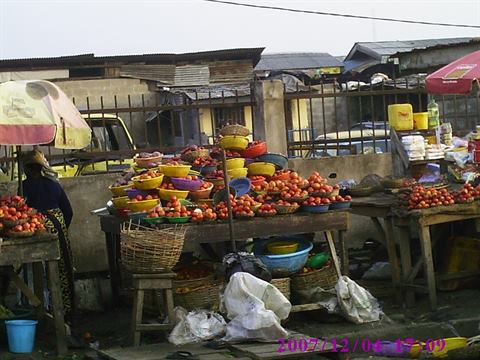
Fuel costs, exchange rates and shipping delays far from home can change what you pay at the local market. A short explainer.
Many products we buy every day — rice, cooking oil, phones, medicines, spare parts — pass through several countries before they reach a shop shelf. When something disrupts one step, prices can change at the end of the chain.
What moves prices
Fuel costs affect transport by sea, road and air. Exchange rates change what importers must pay for goods bought in foreign currency. Weather can damage harvests, and port delays or export restrictions can slow supplies.
Why the effect reaches local markets
Traders and manufacturers usually pass on higher costs to customers. Even locally produced goods can become more expensive if they rely on imported fertiliser, packaging, machinery or fuel.
What households can do
Buy seasonal, locally available produce where possible, compare prices across markets, buy staples in sensible quantities when prices are low, and plan household budgets with some flexibility.
Understanding the chain does not remove price pressure, but it helps explain it — and helps communities and governments plan how to respond.