el-nino-nema-advises-nigerians-extreme-heat-safety-tips
Nigerians Advised to Protect Themselves Against Effects of El Niño Phenomenon
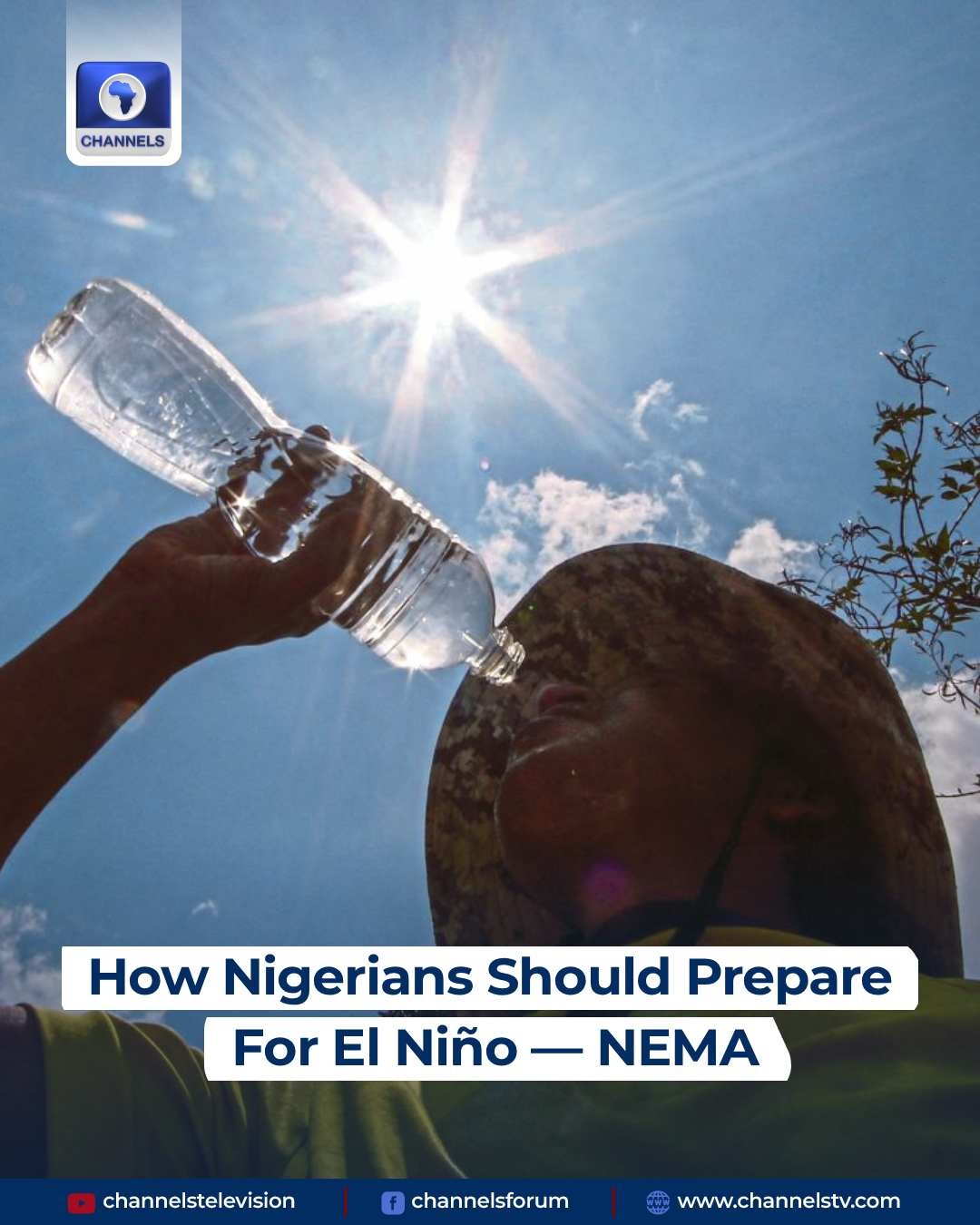
The National Emergency Management Agency (NEMA) has urged Nigerians to take urgent steps to protect themselves, their families and communities against the effects of the developing *El Niño phenomenon*.
The advisory comes after the Nigerian Meteorological Agency (NiMet) confirmed the onset of a strong El Niño event in 2026.
In its Seasonal Climate Prediction Update for August 2026 and August-September-October (ASO) 2026 Rainfall Forecast, NiMet stated: *“Analysis of the most recent ocean observations confirms the onset of a strong El Niño event in 2026.”*
NiMet added that El Niño continues to intensify steadily and is expected to dominate global climate patterns, describing it as a *“Super El Niño”* that increases the likelihood of above-normal temperatures across much of the world.
What is El Niño?
El Niño is a natural climate phenomenon that occurs when sea-surface temperatures in the central and eastern tropical Pacific Ocean become warmer than normal. It is the warm phase of the *El Niño-Southern Oscillation (ENSO)*, which also includes the cooler La Niña phase and neutral conditions.
It can disrupt atmospheric circulation and influence rainfall and temperature patterns worldwide, although its effects differ from one location to another.
For Nigeria, NiMet warns it could mean:
- Hotter than normal temperatures
- Less rainfall in the South, wetter conditions in parts of the North (Sokoto, Kebbi, Zamfara, Katsina, Kano, Yobe, Borno, Bauchi, Jigawa)
- Shorter rainy season
- Risk of drought, floods and food shortages
Health Risks - Doctors Warn
Public health physicians warned that El Niño-related changes could increase risks of:
- Heat exhaustion, heatstroke, dehydration
- Cholera, diarrhoea and waterborne diseases due to flooding
- Malaria changes due to mosquito breeding patterns
- Malnutrition from poor crop yields and rising food prices
Infants, young children, older adults, pregnant women and people with chronic illnesses are most vulnerable.
NEMA's 8 Safety Measures - What You Should Do
In its advisory titled *“Super El Niño Is Coming: What You Can Do to Protect Yourself, Your Family and Your Community”*, NEMA outlined eight measures:
*1. Prepare for Extreme Heat*
Drink clean water regularly, avoid direct sun between 11 am and 4 pm, wear light clothing, hats and use sunscreen. Check on children, the elderly and vulnerable people.
*2. Reduce Time Under Hot Sun*
Limit outdoor activities during peak heat hours. Use shaded areas, take regular breaks and move demanding chores to early morning or late evening.
*3. Conserve Water*
Use water wisely and avoid waste. Fix leaks and store water in clean, covered containers. Keep environment clean to protect water sources.
*4. Protect Your Health*
Maintain sanitation and handwashing. Seek medical help early when unwell. Improve indoor ventilation.
*5. Secure Food Supply*
Store emergency food, support local farming and home gardening, protect livestock and poultry. Buy and preserve grains early.
*6. Prepare for Floods and Drought*
Clear drainage channels, avoid building on waterways, have an emergency plan and keep important documents safe.
*7. Stay Informed*
Follow official updates from NiMet, NEMA and State Emergency Agencies. Do not spread fake weather news.
*8. Strengthen Community Preparedness*
Work with neighbours, community leaders and CDAs to reduce disaster risks. Help vulnerable households prepare.
⚠️ *Final Advisory:* Preparedness starts with you. Protect yourself, protect your family, protect your community.
---
*Follow our WhatsApp channel for more news and updates:*
*https://whatsapp.com/channel/0029VbB1Oqb1t90iAOStYS0p*
_This article originally appeared on Imo Media Hub - https://imomediahub.org_